Putting the wrong fuel in your vehicle is more common than most drivers realise. Whether it's petrol in a diesel engine, diesel in a petrol tank, or even AdBlue in the wrong compartment, misfuelling can happen to anyone. The consequences range from minor inconvenience to serious engine damage costing thousands of pounds. Understanding how to prevent misfuelling and what to do if it happens can save you significant time, money, and stress.
In 2026, with increasingly complex fuel systems and various fuel types available at forecourts across the United Kingdom, knowing how to protect your vehicle has never been more important. This comprehensive guide provides practical prevention strategies and essential tips to keep your engine safe from fuel contamination damage.
Different engines require specific fuel types for optimal performance and longevity. Diesel engines use fuel that also acts as a lubricant for internal components, whilst petrol engines operate under different combustion principles. When you introduce the wrong fuel, several problems can occur immediately or develop over time.

Petrol in a diesel engine is particularly dangerous because petrol acts as a solvent rather than a lubricant. This means metal components that rely on diesel's lubricating properties begin grinding against each other, causing rapid wear. The fuel pump, injectors, and entire fuel system can suffer catastrophic damage if the engine is started or driven.
Diesel in a petrol engine, whilst generally less immediately damaging, still causes problems. The diesel won't ignite properly in a petrol engine's combustion cycle, leading to misfires, clogged fuel systems, and potential catalytic converter damage. The spark plugs can become fouled, and the entire system may require thorough cleaning.
AdBlue contamination presents another challenge. This diesel exhaust fluid should only go in its dedicated tank, never in the diesel tank itself. When AdBlue mixes with diesel, it crystallises and can cause blockages throughout the fuel system, requiring extensive repairs.
The best approach to avoiding engine damage is preventing misfuelling in the first place. Several simple strategies can dramatically reduce your risk when refuelling.
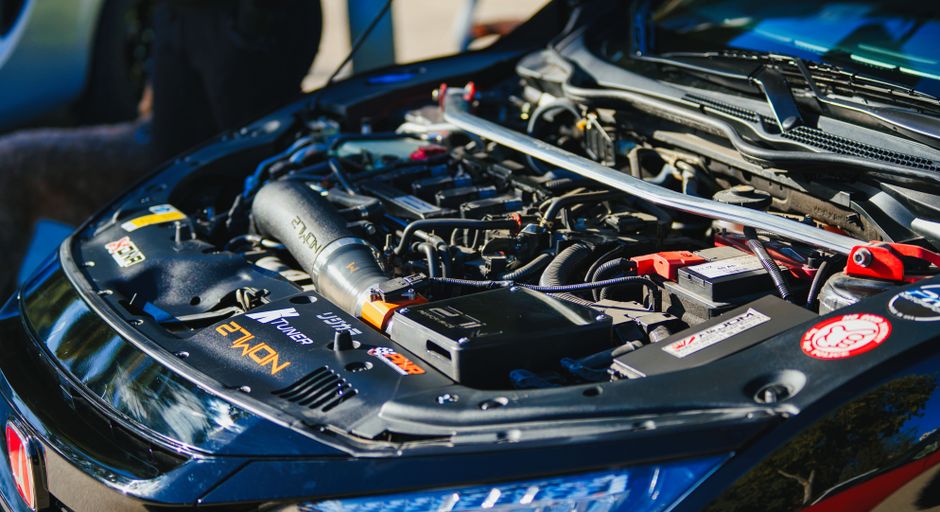
Always check before you fill. This sounds obvious, but many misfuelling incidents occur because drivers are distracted, rushed, or unfamiliar with a vehicle. Before touching any pump, verify which fuel your vehicle requires. Check the label inside the fuel cap, the vehicle handbook, or the dashboard indicator.
Use visual reminders. Consider placing a clear label near the fuel cap indicating the correct fuel type. Many drivers who regularly switch between diesel and petrol vehicles find this simple reminder invaluable. You can purchase reminder stickers or create your own waterproof label.
Focus on the task. Avoid distractions when refuelling. Put away your mobile phone, don't engage in complex conversations, and concentrate fully on selecting the correct pump and nozzle. Taking an extra five seconds to double-check can prevent hours of problems.
Be especially careful with unfamiliar or borrowed vehicles. Rental cars, company vehicles, or a partner's car are common misfuelling scenarios. Never assume you know which fuel type is required—always verify before filling.
Understand nozzle differences. Diesel nozzles are typically larger than petrol nozzles, which provides some mechanical prevention for putting diesel in petrol cars. However, the reverse isn't true—petrol nozzles fit easily into diesel tanks. Don't rely solely on nozzle size as protection.
Despite best efforts, misfuelling can still happen. What you do in the first few minutes after realising the mistake makes an enormous difference to the outcome and repair costs.

Do not start the engine. This is the single most important rule. If you haven't yet started the engine after misfuelling, keep it that way. Starting the engine circulates the wrong fuel throughout the system, multiplying the potential damage exponentially. Even turning the ignition to accessories position can activate the fuel pump on some vehicles.
Do not attempt to drive. If you've realised the mistake after starting the engine, switch it off immediately. Don't try to drive to a safer location or "burn off" the wrong fuel. Stop as soon as safely possible.
Put the vehicle in neutral and move it safely. If you're blocking pumps or in a dangerous position, push the vehicle to a safe area without starting the engine. Most modern vehicles can be pushed when in neutral, though you may need assistance given the weight.
Contact professional fuel rescue services immediately. Specialist emergency fuel rescue services in London can arrive quickly—often within 45 minutes in most areas including London, Essex, Kent, and throughout the southeast. These mobile units drain the contaminated fuel on-site, flush the system, and refill with correct fuel, typically getting you back on the road within an hour.
The cost of professional fuel draining is substantially lower than engine repairs. A complete fuel pump replacement can cost over £1,000, whilst injector damage might require £2,000 or more in repairs. Professional draining typically costs a fraction of potential repair bills.
Beyond immediate prevention, several longer-term strategies help protect your engine from fuel-related damage.
Regular maintenance keeps systems healthy. Well-maintained fuel systems are more resilient and any issues are identified earlier. Follow your manufacturer's recommended service intervals, which ensures fuel filters, injectors, and pumps remain in optimal condition.
Quality fuel makes a difference. Using reputable fuel stations with good turnover ensures fresher fuel with proper additive packages. Whilst supermarket fuel meets all required standards, premium fuels from major brands often include enhanced cleaning and protective additives.
Consider misfuel prevention devices. Several aftermarket products are available that physically prevent the wrong nozzle from entering your fuel tank. These devices are particularly valuable for fleet vehicles or high-risk situations where multiple drivers use the same vehicle.
Educate all drivers. If multiple people drive your vehicle, ensure everyone understands which fuel type is required and the importance of care when refuelling. This is particularly important for families sharing vehicles or businesses with company cars.
Stay alert to warning signs. If you've recently refuelled and notice unusual engine behaviour—rough running, loss of power, strange noises, or excessive smoke—consider whether misfuelling might be the cause. Catching contamination early minimises damage.
Vehicles manufactured in recent years have increasingly sophisticated fuel systems that are both more efficient and more sensitive to contamination. Modern common-rail diesel systems operate at extremely high pressures, making them particularly vulnerable to the solvent effects of petrol.
Hybrid and plug-in hybrid vehicles still require correct fuel in their internal combustion engines. Don't assume that because a vehicle is partially electric, the fuel type matters less—the conventional engine still needs proper fuel when it operates.
AdBlue systems, mandatory on most diesel vehicles from recent years, require particular attention. The AdBlue filler cap is usually blue and clearly marked, but it's often located near the diesel filler, creating confusion. Always verify which cap you're opening before pouring any fluid.
Some modern vehicles have fuel tank designs that make complete drainage more challenging, with multiple chambers or complex shapes. This makes professional assistance even more valuable, as specialists have equipment specifically designed for thorough fuel removal from contemporary vehicles.
Understanding the financial implications of misfuelling helps you make informed decisions about prevention and response.
Many comprehensive car insurance policies include misfuelling cover, though it's not universal. Check your policy documents or contact your insurer to understand what's covered. Some policies cover the draining service, whilst others may contribute toward repair costs if damage occurs.
Breakdown cover organisations increasingly offer misfuelling assistance as an add-on or included benefit. This typically covers the cost of fuel draining but may require using their approved providers. Response times vary, so understand what service level your cover provides.
Even without specific misfuelling cover, addressing the problem immediately through professional draining is almost always more cost-effective than attempting DIY solutions or risking engine damage. The average cost of professional mobile draining across the Midlands, north of England, and southern regions represents excellent value compared to potential repair bills.
Preventing misfuel engine damage primarily comes down to attention and immediate action. Stay focused when refuelling, verify the correct fuel type before starting, use visual reminders, and never hesitate to seek professional help if misfuelling occurs. The few minutes invested in careful refuelling practice can prevent days of inconvenience and thousands of pounds in repair costs. Remember that professional fuel rescue services are available 24/7 throughout the United Kingdom, providing fast, effective solutions when prevention fails. By following these comprehensive tips and maintaining awareness at the forecourt, you can protect your vehicle's engine and ensure reliable, damage-free motoring.