Filling up your vehicle with the wrong fuel is more common than you might think. In the UK alone, thousands of drivers accidentally put petrol into diesel cars or diesel into petrol vehicles every year. The consequences can range from minor inconvenience to serious engine damage, depending on how quickly you identify and address the problem. Understanding the signs of misfueling can save you from costly repairs and get you back on the road safely.
The first opportunity to catch a misfueling mistake is right at the pump. If you realize your error before starting the engine, you're in the best possible situation. Here are the immediate signs to watch for:

If you catch the mistake at this stage, do not start your engine. Simply moving the key to the ignition position without starting the car won't circulate the wrong fuel through your system, giving you the best chance for a simple solution. You might also be asking what happens if I put petrol in a diesel car, so make sure to never start the engine.
If you've already started your vehicle after misfueling, several warning symptoms may appear immediately or within a short distance of driving. These signs vary depending on whether you've put petrol in a diesel car or diesel in a petrol car.
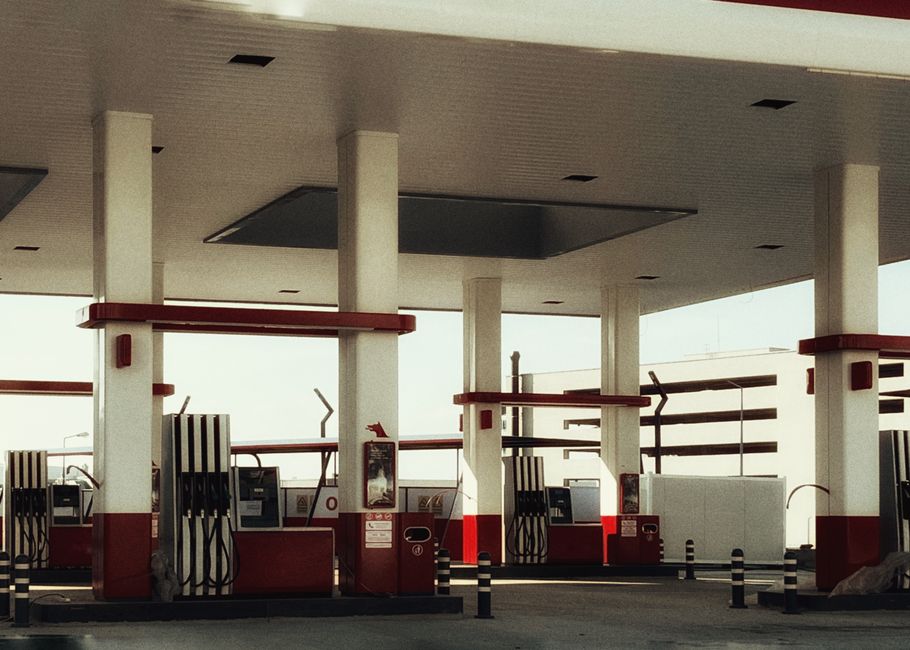
This is the more common and potentially more damaging scenario. Diesel engines rely on the fuel's lubricating properties to protect the fuel pump and injectors. Petrol lacks these properties and can cause rapid damage. Watch for:
While generally less immediately damaging than the reverse, putting diesel in a petrol car still causes problems. Diesel won't ignite properly in a petrol engine's spark plugs, leading to:
If you've managed to drive away from the petrol station before noticing symptoms, the wrong fuel will gradually affect your engine's performance. The severity depends on the proportion of wrong fuel to correct fuel in your tank and how far you drive.
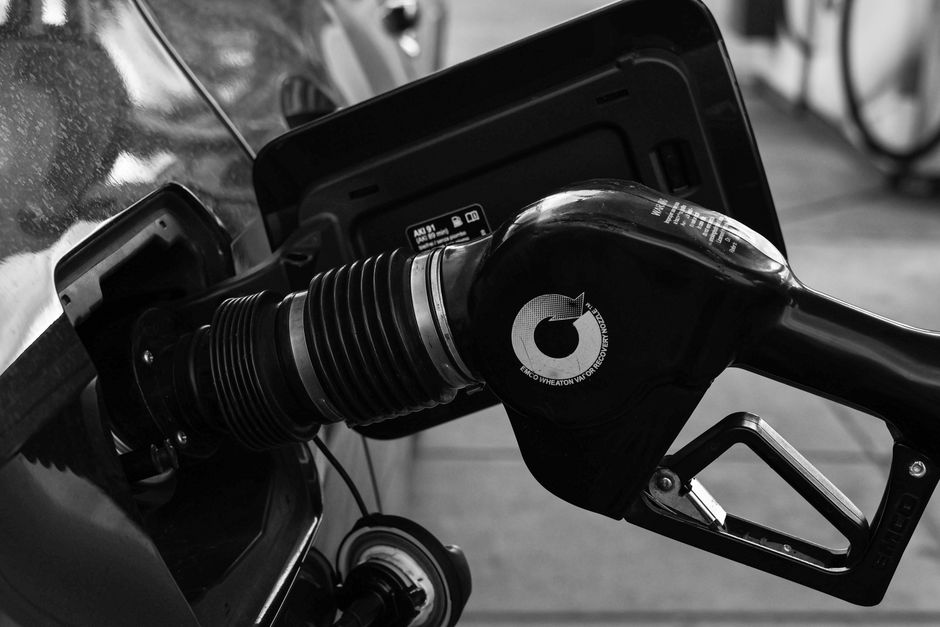
Progressive performance degradation is a key indicator. You might initially think the car is just running poorly, but symptoms will worsen as the contaminated fuel circulates through the system. The engine may feel increasingly unresponsive, acceleration becomes labored, and you may experience sudden jerking or hesitation. If you've experienced this or are looking for more information, learn more about what happens when you start a misfueled engine.
Unusual vibrations through the steering wheel or entire vehicle can indicate the engine is struggling to combust the wrong fuel properly. This is especially noticeable in diesel engines trying to run on petrol, where the lack of proper lubrication causes components to work harder and generate excessive friction.
If you notice any of these symptoms while driving, pull over safely as soon as possible. Continuing to drive can circulate the contaminated fuel throughout the entire fuel system, increasing the complexity and cost of repairs. Turn off the engine and do not attempt to restart it.
Quick action is essential when you realize you've put the wrong fuel in your car. The steps you take immediately after discovering the mistake can significantly impact the damage to your vehicle and the cost of resolution.
If you haven't started the engine: This is the ideal scenario. Do not turn the key in the ignition. Contact a fuel rescue service immediately. Professional services can drain the wrong fuel on-site and refill with the correct fuel, often within an hour, allowing you to continue your journey with minimal disruption.
If you've started but not driven: Turn off the engine immediately. Even running the engine for a short time circulates contaminated fuel through the system, but limiting this exposure reduces potential damage. Again, call for professional assistance rather than attempting to drive.
If you've driven the vehicle: Pull over safely, turn off the engine, and call for recovery. Do not attempt to restart the car to "limp" to a garage, as this will cause additional damage. Your vehicle will likely need to be transported to a repair facility after the fuel system is drained.
Emergency fuel rescue services operate throughout major areas including London, the Home Counties, and across the Midlands and northern regions, typically arriving within 45 minutes to an hour. These specialists have the equipment to drain contaminated fuel on-site and can often resolve the situation without needing to tow your vehicle to a garage. For those in the capital, wrong fuel roadside assistance in London is readily available.
Once you've dealt with the immediate crisis, taking steps to prevent future mistakes makes good sense. Simple strategies can dramatically reduce your risk of repeating this costly error.
Stay focused while refueling. Distraction is the primary cause of misfueling. Put your phone away, avoid conversations, and concentrate on the task at hand. Check the pump label before you begin and verify you're holding the correct nozzle. Be especially careful if you're dealing with different fuel types or even something like Adblue in your fuel tank.
Use fuel cap labels or reminders. Inexpensive stickers that read "diesel only" or "unleaded only" can be placed near your fuel cap as a visual reminder. Some drivers also use colored key fobs that match their fuel type as an additional prompt.
Consider mechanical prevention devices. For diesel vehicles, you can install devices in the fuel tank opening that physically prevent a petrol nozzle from fitting. These are particularly useful for fleet vehicles or if multiple drivers use the same car.
Brief other drivers. If anyone else drives your vehicle, especially if they normally drive a car that uses different fuel, make sure they know what fuel your car requires. This is particularly important for rental cars when traveling or when borrowing vehicles.
Recognizing the signs of misfueling quickly is crucial to minimizing damage and expense. Whether you notice the mistake at the pump, when starting your car, or while driving, the most important action is to stop using the vehicle immediately. Don't start or continue running the engine once you suspect a problem. Professional fuel rescue services can resolve most misfueling incidents efficiently when contacted promptly, often draining and refilling your tank within an hour. By staying alert at the pump and taking preventive measures, you can avoid this common but potentially costly mistake. Remember that quick response and professional assistance are your best allies in protecting your vehicle and getting back on the road safely.