Accidentally putting AdBlue into your fuel tank is a serious misfuelling incident that requires immediate action. While AdBlue is an essential fluid for modern diesel vehicles with Selective Catalytic Reduction (SCR) systems, it belongs in a separate tank – not your fuel tank. If you've made this mistake, understanding the proper steps to take can prevent catastrophic engine damage and save you thousands in repair costs.
This comprehensive guide explains exactly what happens when AdBlue enters your fuel system, the immediate actions you must take, and how to minimize damage to your vehicle.
AdBlue is a diesel exhaust fluid composed of 32.5% urea and 67.5% deionised water. It's designed to reduce harmful nitrogen oxide emissions from diesel engines by converting them into harmless nitrogen and water vapour. Modern diesel vehicles manufactured after 2015 typically feature SCR technology and require AdBlue to operate.
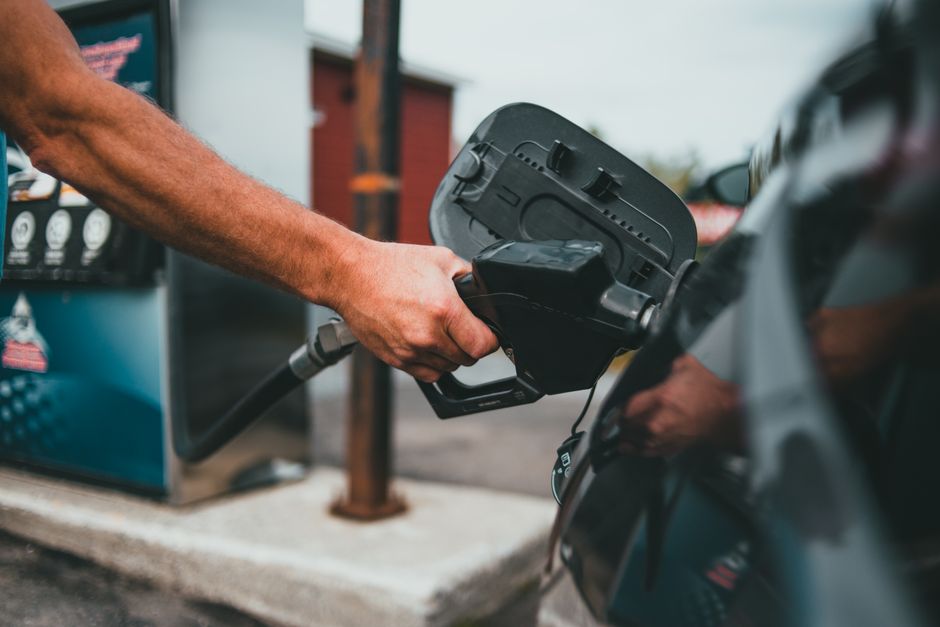
The confusion often occurs because both the AdBlue filler cap and fuel cap are located near each other, sometimes even side by side. In the rush of refuelling, drivers occasionally grab the wrong pump or pour AdBlue into the wrong opening. This mistake is particularly common at motorway service stations where drivers are unfamiliar with the pump layout or when someone else refuels your vehicle without proper knowledge.
The AdBlue filler cap is usually blue and smaller than the fuel cap, but in poor lighting conditions or when rushing, these differences can be overlooked. Additionally, some drivers mistakenly believe AdBlue should be mixed with diesel fuel, which is completely incorrect.
When AdBlue contaminates your fuel system, the consequences can be severe. Unlike petrol in a diesel tank, AdBlue presents unique chemical challenges due to its composition.

The crystalline nature of urea means that AdBlue can crystallize throughout your fuel system, blocking fuel lines, filters, and injectors. The water content in AdBlue is equally problematic, as diesel fuel systems are designed to operate with minimal moisture. Water contamination can cause corrosion, bacterial growth, and prevent proper combustion.
If you start the engine with AdBlue in the fuel tank, the contaminated fuel will be pumped through the entire system. The high-pressure fuel pump will attempt to compress the AdBlue mixture, potentially causing immediate mechanical failure. Fuel injectors, which operate at extremely high pressures (often exceeding 2,000 bar in modern diesel engines), can seize or become permanently damaged. The estimated repair costs for replacing a complete fuel system can range from £3,000 to £8,000 or more, depending on your vehicle make and model.
Do not start your engine. This is the single most important rule. If you realize the mistake before turning the ignition, you've dramatically reduced the potential damage and cost of recovery.

If you're still at the filling station, inform the staff immediately and ensure your vehicle is in a safe location. Do not attempt to move the car using the engine. If necessary, put the vehicle in neutral and push it to a safe parking spot, or ask for assistance from forecourt staff.
Contact a specialized fuel rescue service immediately. Companies like Wrong Fuel Fixer provide 24/7 emergency assistance and can typically arrive within 45 minutes across London and surrounding regions including Essex, Kent, Surrey, and Hertfordshire. Professional technicians have the equipment to drain contaminated fuel on-site, preventing the need for expensive towing and dealership repairs.
Do not attempt to dilute the contamination by adding more diesel. This outdated advice only increases the volume of contaminated fuel that needs draining and can spread the AdBlue throughout a larger portion of your tank.
Professional misfuel recovery involves several critical steps to ensure your vehicle is safe to drive again.
First, technicians will completely drain your fuel tank using specialized pumping equipment. This removes all contaminated fuel, including any AdBlue mixture. The process typically takes 30-45 minutes depending on how much fuel was in the tank.
Next, the fuel system requires flushing. This involves running clean diesel through the fuel lines, filter, and pump to remove any remaining traces of AdBlue. Some contamination may have entered the fuel filter, which should be replaced as a precautionary measure.
Once the system is clean, fresh diesel fuel is added to the tank. The technician will then start the engine and monitor its performance, checking for any irregularities that might indicate residual contamination or damage. In most cases where the engine wasn't started after misfuelling, the vehicle can be driven away safely once the drain and flush are complete.
Reputable fuel rescue services provide documentation of the work performed, which can be valuable for insurance claims or future vehicle service records.
If you started your engine and drove with AdBlue in the fuel tank, the situation becomes more serious. You may notice several warning signs including rough running, loss of power, unusual noises from the engine bay, or the engine management light illuminating.
Stop driving immediately when you notice these symptoms. Continuing to operate the vehicle will compound the damage. Park safely, turn off the engine, and contact Emergency Fuel Rescue Services in London.
In these cases, a simple drain may not be sufficient. The fuel system components may require inspection and potential replacement. The high-pressure fuel pump is particularly vulnerable, and fuel injectors may have been compromised by attempting to atomize the AdBlue mixture.
Professional assessment will determine the extent of damage. In some fortunate cases, a thorough system flush may be adequate. However, be prepared for the possibility that components will need replacement. Many specialized recovery services work with trusted mechanics who can provide accurate diagnostics and competitive repair quotes.
Preventing AdBlue misfuelling requires awareness and attention during refuelling. Always double-check which filler cap you're opening before inserting any nozzle. Take a moment to read the label – AdBlue caps are clearly marked.
If you regularly use service stations where you're unfamiliar with the pump layout, approach refuelling methodically. Many modern vehicles have safeguards, such as smaller AdBlue filler openings that won't accommodate standard fuel nozzles, but these aren't foolproof.
When travelling or allowing others to refuel your vehicle, clearly communicate the locations of both filler caps and emphasize the importance of not mixing them up.
Regarding insurance, misfuelling coverage varies significantly between policies. Some comprehensive policies include misfuelling as standard, while others exclude it or offer it as an optional add-on. Review your policy documents or contact your insurer to understand your coverage. Even with insurance, acting quickly to minimize damage remains crucial, as extensive engine damage may result in higher premiums or excess charges that exceed the cost of 24 Hour Fuel Drain Service in London.
Putting AdBlue in your fuel tank is a stressful mistake, but immediate and correct action can prevent it from becoming a financial disaster. The key is never starting your engine once you realize the error. Professional fuel rescue services provide rapid response across the UK, offering on-site solutions that restore your vehicle safely without the need for expensive dealer repairs. Remember that prevention through careful attention during refuelling is your best protection, but if the worst happens, expert help is just a phone call away. By understanding the risks and knowing the proper response, you can handle this situation with confidence and minimal disruption to your day.


maxwin500login
2 months ago
The graphics are stunning and the gameplay is very addictive. If you are looking for big wins then maxwin500login is the place to be.