Putting the wrong fuel in your car is more common than you might think. Whether you've accidentally added petrol to a diesel vehicle, diesel to a petrol car, or even AdBlue in the wrong tank, acting quickly can mean the difference between a minor inconvenience and costly engine damage. This comprehensive guide will walk you through exactly what to do if you've misfueled your vehicle in 2026.
The single most important thing you can do when you realize you've put the wrong fuel in your car is to stop immediately. If you haven't started the engine yet, keep it that way. Starting your engine and driving with the wrong fuel circulating through your system can cause severe and expensive damage to your vehicle's fuel system, injectors, and engine components.
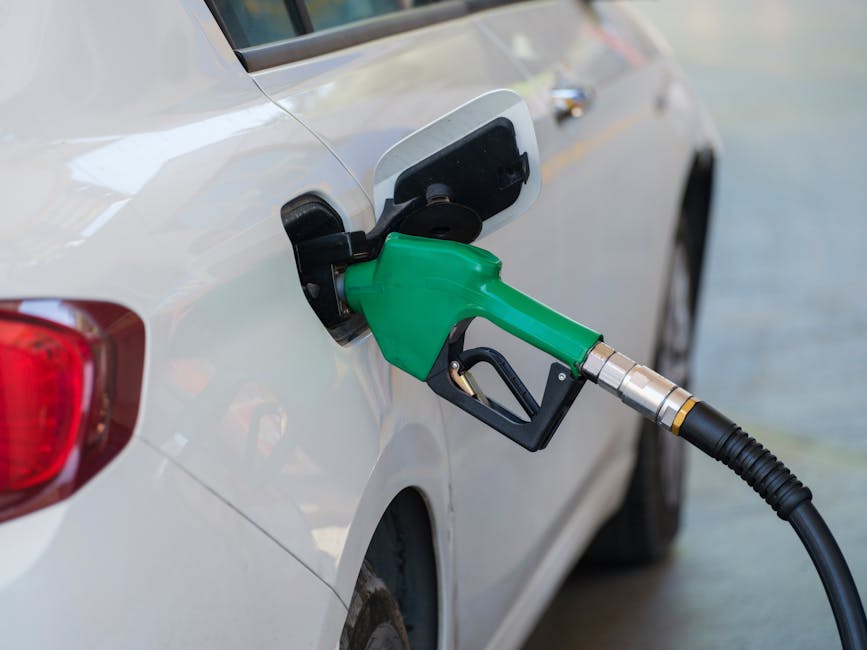
If you're still at the petrol station when you realize your mistake, do not attempt to start the car. Leave the keys in the off position and step away from the pump. Alert the station attendants immediately, as they're trained to handle these situations safely. Your car will need to remain stationary until professional help arrives.
If you've already started driving and notice something wrong, pull over safely as soon as possible and turn off the engine. The less the contaminated fuel circulates through your system, the less damage will occur and the easier the recovery process will be.
Different types of misfueling cause varying levels of potential damage to your vehicle. Understanding what happens when fuels mix incorrectly can help you appreciate why immediate action is so critical.

This is the most common and potentially damaging misfueling scenario. Diesel fuel acts as a lubricant for the fuel pump and injectors in diesel engines. When petrol is introduced, it acts as a solvent, stripping away this lubrication. This can cause metal-on-metal contact, leading to expensive damage to the fuel pump, injectors, and other components. If you drive with petrol in a diesel engine, you risk repair bills running into thousands of pounds.
While less common due to the larger diesel nozzle size, putting diesel in a petrol car is still possible, especially with jerry cans or at older stations. The good news is that this scenario is generally less damaging than petrol in diesel. Diesel won't ignite properly in a petrol engine, so the car will run poorly, smoke excessively, and eventually stop. However, it's still crucial to drain the system to prevent clogging and damage to spark plugs and catalytic converters.
AdBlue, used in modern diesel vehicles to reduce emissions, should only go in its designated tank. If AdBlue enters the fuel tank, it can cause crystallization and severe corrosion throughout the fuel system. Similarly, putting diesel or petrol in the AdBlue tank will damage the Selective Catalytic Reduction system, resulting in expensive repairs.
Once you've secured your vehicle and ensured you haven't started the engine (or have turned it off), your next step is to contact a professional wrong fuel rescue service immediately. Services like Wrong Fuel Fixer specialize in these exact situations and can typically arrive within 45 minutes to begin the fuel drain process on-site.
Professional fuel drain services offer several critical advantages over attempting DIY solutions or waiting for a standard mechanic:
When calling for help, provide clear information about your location, the type of vehicle you drive, what fuel you've added, approximately how much wrong fuel went in, and whether you've started the engine or driven the vehicle. This information helps technicians prepare the right equipment and approach for your specific situation.
Understanding what a professional wrong fuel rescue service does can help ease anxiety during this stressful situation. The fuel drain process is methodical and designed to remove all contaminated fuel while minimizing any potential damage.
First, the technician will assess your specific situation, checking what type of fuel contamination has occurred and whether the engine has been started. They'll then position their specialized equipment near your fuel tank. Using professional-grade pumps and filtration systems, they'll extract the contaminated fuel mixture from your tank.
After draining the tank, the technician will typically flush the fuel lines to remove any remaining contaminated fuel. For petrol-in-diesel scenarios, this is particularly important as even small amounts of petrol can cause problems. The fuel filter will usually be replaced to ensure no contaminated fuel remains in the system.
Once the system is clean, the technician will add the correct fuel type to your tank, usually enough to get you to a petrol station safely. They'll then perform checks to ensure everything is working properly before allowing you to restart your vehicle. The entire process typically takes 30-60 minutes, depending on the vehicle and contamination severity.
While professional rescue services can fix misfueling situations efficiently, prevention is always better than cure. Here are practical strategies to avoid putting the wrong fuel in your car:
Label reminders: Place a small, clear sticker near your fuel cap indicating the correct fuel type. This simple visual reminder can prevent mistakes, especially if you drive multiple vehicles or have recently switched between diesel and petrol cars.
Stay focused at the pump: Misfueling often happens when drivers are distracted, tired, or in a hurry. Make refueling a moment of focused attention. Put away your phone, finish conversations, and concentrate on the task at hand.
Use misfuel prevention devices: Several aftermarket devices are available that physically prevent the wrong nozzle from entering your fuel tank. These are particularly useful for diesel vehicles, as petrol nozzles are smaller and can easily fit into diesel tanks.
Develop a routine: Create a mental checklist you run through every time you refuel: check the pump label, verify the nozzle color (though these can vary), and read your dashboard fuel indicator before pumping.
Be extra careful with rental or borrowed vehicles: Misfueling rates increase dramatically with unfamiliar vehicles. Always check the fuel type before refueling a car that isn't your regular vehicle.
Many comprehensive car insurance policies cover misfueling incidents, though this varies significantly between providers and policy types. Before calling a rescue service, it's worth quickly checking your insurance documents or calling your provider to understand your coverage.
Some policies include wrong fuel cover as standard, while others offer it as an optional add-on. If covered, your insurance may reimburse you for the drain service, though you'll likely need to pay the excess. Keep all receipts and documentation from the rescue service for your claim.
If you're not covered by insurance, professional wrong fuel drain services typically cost between £150-300, depending on location, time of day, and vehicle type. While this seems expensive, it's far less than the potential repair costs if contaminated fuel damages your engine—which can easily exceed £5,000 for severe cases.
Some breakdown cover services, such as those provided by the RAC or AA, also include wrong fuel assistance. However, their response times may be longer than specialized wrong fuel services, and they might simply tow you to a garage rather than performing an on-site drain.
Putting the wrong fuel in your car is a stressful experience, but it doesn't have to result in disaster. The key is recognizing the mistake immediately, not starting or continuing to run your engine, and calling a professional wrong fuel rescue service as quickly as possible. With prompt action and expert help, your vehicle can be back on the road with minimal damage or inconvenience. Remember that prevention through awareness and careful attention at the pump is your best defense against misfueling incidents. If you do find yourself in this situation, particularly in London and surrounding areas, services like Wrong Fuel Fixer provide the rapid, professional response you need to resolve the problem quickly and safely.


bcgamescryptocasino
2 months ago
Crypto betting used to feel complicated but this site makes it so simple. I deposited Bitcoin and saw my balance update in no time. The game selection is massive and I really enjoy that transactions stay quick and private. bcgamescryptocasino